What Is the Gut Microbiome?
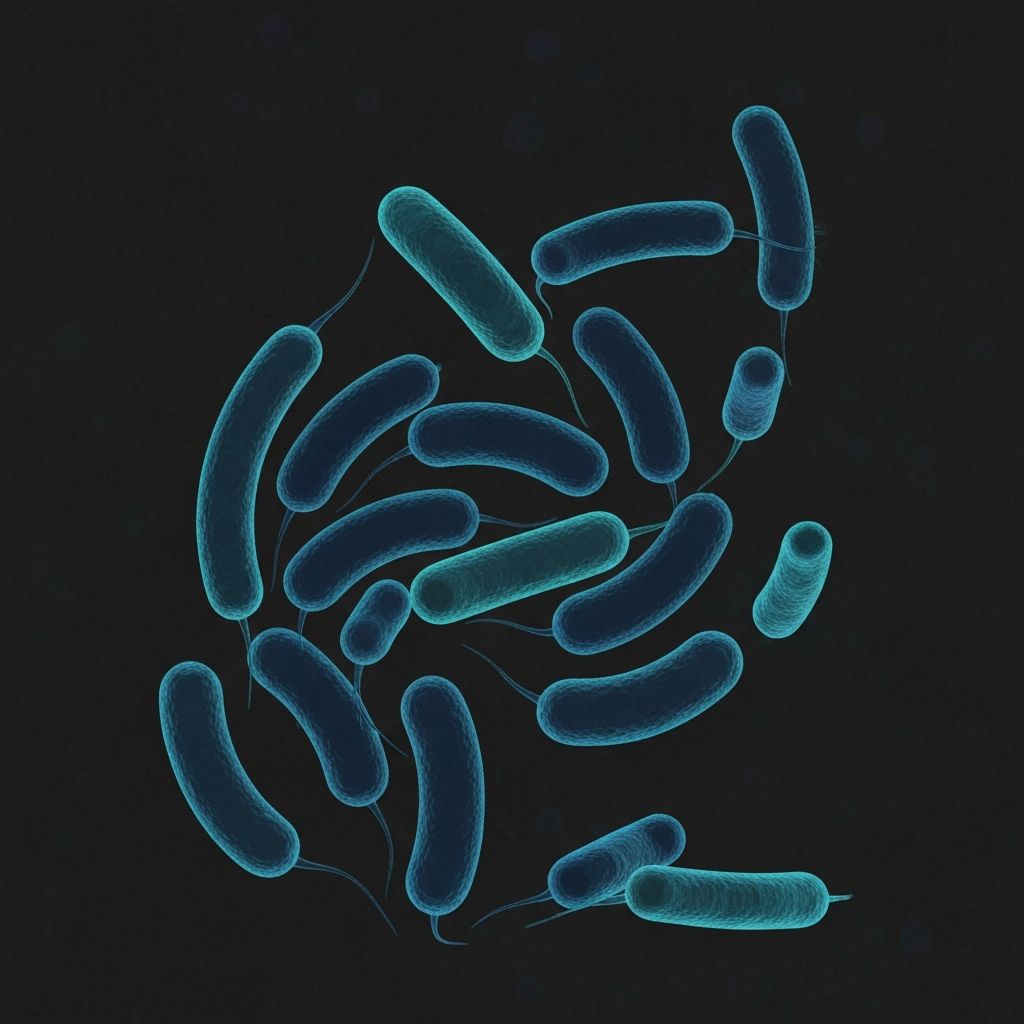
The gut microbiome refers to the complex and diverse community of microorganisms — predominantly bacteria, but also including fungi, viruses, and archaea — that inhabit the gastrointestinal tract of the human body. The large intestine (colon) hosts the greatest density and diversity of these organisms, with estimated total microbial cell counts in the same order of magnitude as the total number of human cells in the body.
The relationship between the human host and its gut microbiome is characterised by mutual dependence. Gut microorganisms derive nutrients and a stable habitat from the host, while contributing a range of metabolic and immunological functions that influence host physiology. This ecological relationship has been the subject of extensive scientific investigation over the past two decades.
Composition of the Gut Microbiome
At the phylum level, the human gut microbiome is dominated by four major bacterial groups: Firmicutes, Bacteroidetes, Actinobacteria, and Proteobacteria. The relative proportion of these phyla varies between individuals and is influenced by factors including age, geographic origin, genetics, and notably, dietary composition.
Microbial diversity — the number and relative abundance of distinct microbial species or taxa within a given community — is a frequently studied characteristic of the gut microbiome. Documented associations between microbial diversity and various aspects of host physiology form an active area of research, though the mechanistic pathways involved are complex and not yet fully delineated.
The gut microbiome of each individual is unique, shaped by a combination of early-life factors (including mode of birth and feeding), environmental exposures, genetics, and dietary patterns accumulated over a lifetime.
Spotlight: Metabolic Functions of Gut Microbiota
Fermentation of Dietary Fibre
One of the most characterised roles of gut microbiota is the fermentation of dietary fibres that resist enzymatic digestion in the small intestine. Bacterial species capable of producing carbohydrate-active enzymes break down these substrates, generating short-chain fatty acids (SCFAs) — principally butyrate, propionate, and acetate — as fermentation byproducts. SCFAs serve as a primary energy source for colonocytes and are associated with downstream signalling effects in the host.
Synthesis of Certain Vitamins
Gut bacteria contribute to the endogenous production of certain vitamins, including some B vitamins (such as biotin, folate, and riboflavin) and vitamin K. While dietary sources remain the primary supply of these nutrients for most individuals, microbial synthesis represents a supplementary contribution that varies with microbiome composition.
Immune System Modulation
The gastrointestinal tract is a major site of immune activity, and gut microbiota are understood to play a role in the development and regulation of mucosal immune responses. The interface between microbial communities and intestinal epithelial and immune cells is a key area of research in immunology and gastroenterology.
The gastrointestinal tract contains approximately 70–80% of the body's immune cells. The interaction between gut microbiota and the intestinal immune system begins from birth and continues to evolve throughout life.
Dietary Factors and Microbial Interaction
The composition of the gut microbiome is responsive to dietary change, though the degree of plasticity and the timescale over which changes occur vary considerably between studies and individuals. Several categories of dietary components have been studied in relation to microbial composition.
Dietary fibre — particularly fermentable types such as fructooligosaccharides (FOS), inulin, and resistant starch — provides substrate for fibre-fermenting bacterial populations. The relative abundance of fibre-fermenting species is generally associated with greater production of SCFAs in the colon.
Dietary patterns characterised by greater diversity in plant-based foods have been documented in association with higher microbial diversity in observational studies. Plant foods contain polyphenols — secondary metabolites with complex structures — that are in part metabolised by gut bacteria, generating further metabolic byproducts.
Conversely, diets with limited plant diversity and high quantities of refined or highly processed foods have been associated with reduced microbial diversity in observational research, though causal directionality in such associations remains a subject of scientific discussion.
Information Context and Limitations
This article provides a general introduction to the gut microbiome as described in current scientific literature. The field of microbiome research is rapidly evolving, and many associations remain the subject of ongoing investigation. This content does not constitute dietary or medical advice. Individual microbiome composition is highly variable; any dietary considerations related to gut health are best discussed with a qualified healthcare professional.